
Urban Renewal Program
Program overview
The City of Ballarat is growing, by 2041 our population is predicted to increase by 55,000 people. To support this growth the City of Ballarat needs to proactively plan to facilitate housing, industry growth and job creation, providing opportunity to reimagine urban areas that are well-serviced by existing infrastructure and services.
The Urban Renewal Program groups together three key urban renewal areas identified in the Ballarat Housing Strategy 2041 which seeks to provide for housing growth with increased densities and housing diversity.
This aligns with State Government planning policies for urban renewal that promote and capitalise on opportunities to develop compact urban areas that are based around existing or new activity centres to maximise accessibility to facilities and services.
The City of Ballarat will develop a suite of strategic documents that provide the strategic justification required to amend the Ballarat Planning Scheme. These include an Urban Design Frameworks and Structure Plans in order to provide clear land use and built form directions.
Urban Renewal Areas
The City of Ballarat Urban Renewal Program is a transformative initiative of integrated projects designed to guide the renewal of three key urban precincts:
- Ballarat CBD Precinct – developing an urban design framework and precinct structure plan to provide confidence around heritage controls and development.
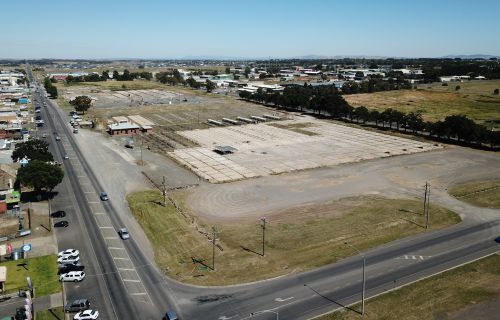
Ballarat CBD Precinct Fact Sheet - La Trobe Street Saleyards Precinct – developing a precinct structure plan to encourage housing development, business growth and job creation in the geographical and economic heart of Ballarat.
La Trobe Street Saleyards Precinct Fact Sheet - Wendouree Station Precinct – developing a precinct structure plan to encourage integrated transport solutions and help drive housing development, business growth and job creation on the land around Wendouree train station.
Wendouree Station Precinct Fact Sheet
Project highlights
- Controlled and innovative renewal frameworks for valued heritage precincts.
- Improved and integrated transport planning linking Ballarat CBD, La Trobe Street and Wendouree Station precincts.
- Encourage confidence for more housing and industry development.
- Direction for economic and environmentally sustainable growth.
- Provide confidence and opportunity for job creation.
Community Consultation
Begins Early – Mid 2025
Upcoming community engagement will be considered in two stages – Stage One is an introduction to the projects through a Discussion Papers posing questions to the community on how each precinct evolves over time and in response to a number of key issues and opportunities.
Stage Two will occur after Stage One community feedback has been reviewed, and Draft Structure Plans and Urban Design Frameworks, will be shared with the community for further comment.
What is Urban Renewal?
Urban renewal involves unlocking under-utilised areas for jobs, investment, and housing. It can often involve rezoning land, improving an area’s amenity and identifying transport and infrastructure needs.
In response, the City of Ballarat is developing planning solutions for urban renewal of precincts or strategic sites to implement planning policy, deliver value and create community benefit.
We will be undertaking urban renewal planning projects in partnership with communities, stakeholders and government organisations to improve the physical, social-economic, and ecological aspects of urban areas.
Planning Tools
Planning tools available to the City of Ballarat in the realm of urban renewal include structure plans and urban design frameworks.
Structure plans are strategic plans that set out the direction that an area or activity centre should take in terms of future land use and development outcomes, including public realm and transport. Similar plans have already been created for regional centres like Geelong and Bendigo, and also activity centres throughout metropolitan Melbourne.
Structure plans are aimed at creating vibrant places and communities that support population growth, business investment through liveable, sustainable activity centres in terms of the activities, buildings, public realm and transport and access.
Urban Design Frameworks (UDFs) are used to provide built form principles for future development and inform the Structure Plan in respect of urban design outcomes such as building heights and upper-level setbacks.
Quick task